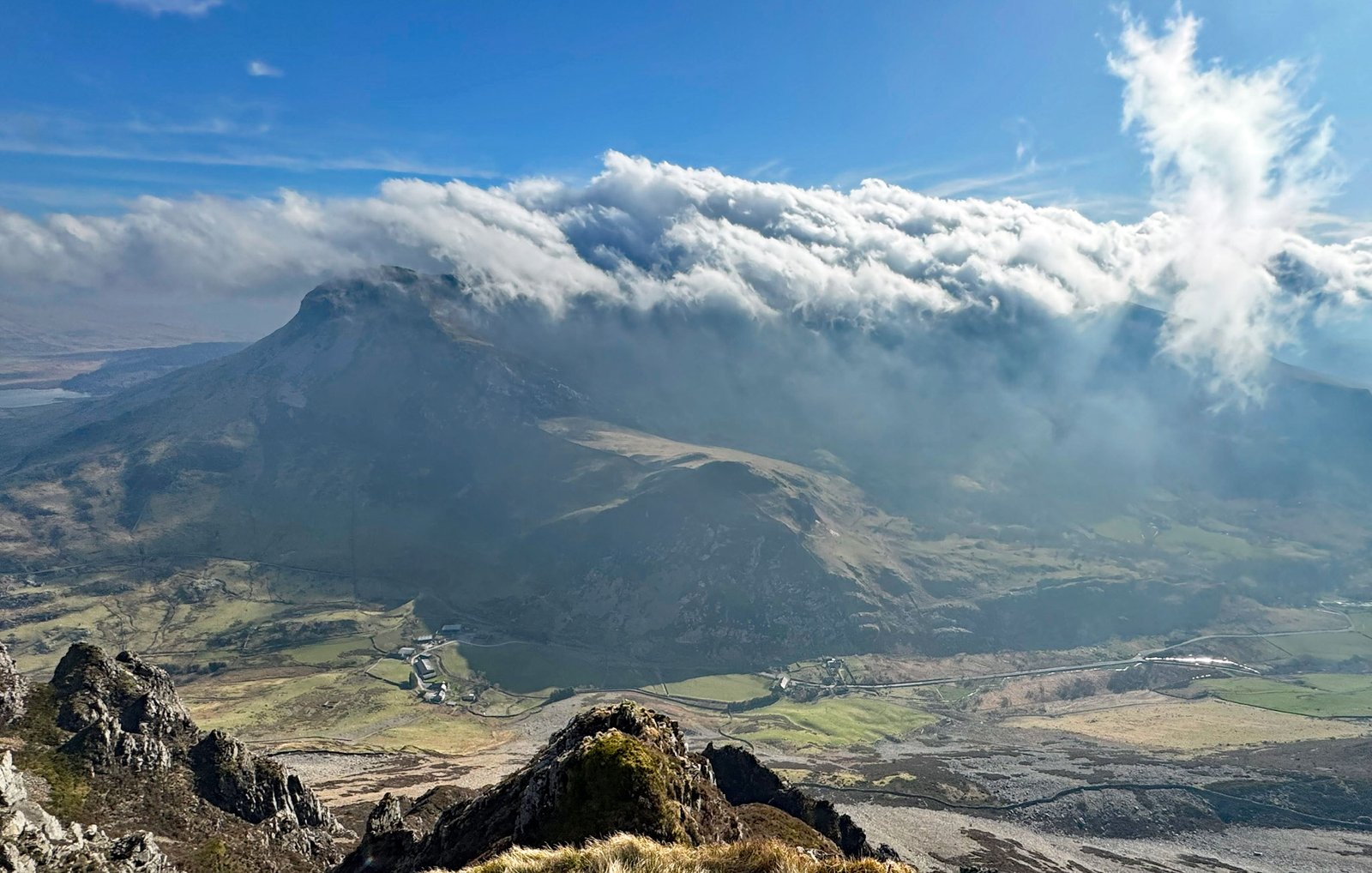
I certainly suspected that introducing objectivity into the selection process for the Worthies would be tricky and it has indeed proved exceptionally complex, because subjectivity inevitably interferes with every appraisal.
Walkers are drawn to the hills for countless reasons. Many seek challenge and the satisfaction of reaching a summit. That is a perfectly valid reason. Others gain reward through scenic beauty and absorbing the atmosphere of their surroundings, and it is this intrinsic nature of the landscape that mostly shapes our criteria.
There five criteria are as outlined in part one, however, they now carry weighting as follows:
Aesthetic – 30%
Complexity – 20%
View – 20%
Route Satisfaction – 20%
Special Qualities – 10%
All inevitably overlap, each being influenced by the outstanding features of a hill. Each criterion is awarded up to ten points (half points included) and multiplied accordingly to reach the sum total.
Having juggled figures for various hills, I concluded that Aesthetic ought to carry the heaviest weight simply because it’s probably the greatest draw. If a hill seduces the climber with its presence, then the urge to ascend it becomes irresistible. Special Qualities is perhaps the least vital to the magnetism of a hill, yet worthy of acknowledgement. Certainly in the Highlands ‘remoteness’ becomes a special quality to many. The other criteria are arguably of equal importance to each other.
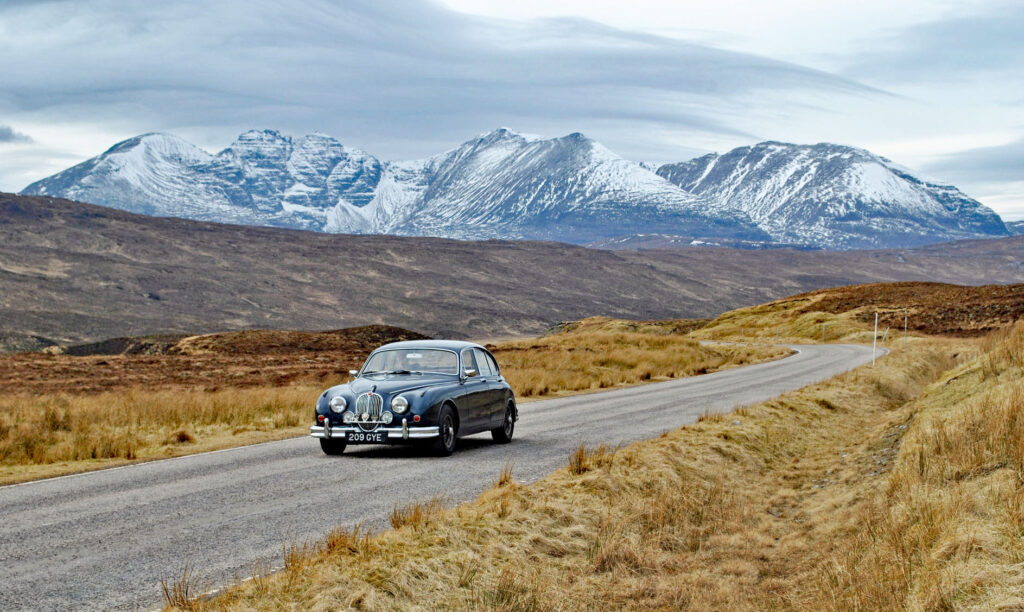
Consistency is challenging when each criterion involves many aspects, however, the important element is to be consistent when comparing amongst neighbouring hills. For example, when I graded Stac Pollaidh it unsurprisingly achieved and admirable 81 points, however, next door looms Ben Mor Coigach that scored 86 points and just to the north is Suilven, also boasting 86 points. In such cases the lower graded mountain would generally be excluded, as our aim is to the include the best representatives from hills in close proximity. This is why Cul Mor and Cul Beag are not on the Worthy list even though both are fine mountains. There is just too much competition locally.
Basically, everything in the far north west Highlands is of an exceptional standard and many are distinctly individual hills so cannot be grouped together as a massif and graded as a whole. Discarding contenders is an agonising undertaking. Such was the case for Stac Pollaidh, although the unique appeal along with the fact that it achieves full marks for Aesthetic and Views forced me to bestow Worthy status. Therefore, do not expect total consistency in the field of Worthies!
Away from the luminaries of the Highlands, the more gentle impact of places like the Cotswolds need to be considered. I would dearly like a representative for such a distinctive upland landscape, although it must rise to the objective ideals, rather than be chosen solely through the desire for inclusivity. Obviously, none will have a view of Stac Pollaidh, which underlines the conclusive fact that each area can only be assessed amongst contemporaries in the immediate landscape, not against hills within a drastically different environment.
Having five criteria will undoubtedly reduce the overall score, as rarely will anything be awarded ten out of ten and the cumulative deficiencies inevitably mount up. For example, Buachaille Etive Mor, in many eyes a perfect mountain, has returned a result of 85 points. This would have been higher had it offered more routes of ascent (that don’t involve ropes) and the quality of ascents is tempered by scree in places – a frequent Scottish mountain characteristic that does hamper Route Satisfaction on these rugged hills.
Another consequence of comparing like for like within an area is that hills in ‘lesser’ districts will score more highly than if competing in a prestigious district. Take Black Combe, which scrapes through at 70.5 points. If it was closer to the heart of the Lake District it would lose its appeal of individuality and be marked down. If it was in Glencoe it would be completely ignored. This is a crucial point – Worthies are not simply a list of the best, but the best of the best in each particular region.
It is my intention to rejoice in regional variety and I wish to include the finest hills from every possible upland district where something ‘decent’ exists. After all, one definition of ‘worthy’ is ‘deserving of attention’ and some hills that do not quite achieve the percentage grade should not be overlooked. Take for example Wiltshire, where my choice is the Pewsey Downs. For the locality, they are an outstanding example of quintessential English countryside walking and deserve to be recognised, despite only attaining a score of 68 on the Worthyometer!
To quantify my thinking these are the general classifications I am working on:
50% is ‘Above Average’ although, whilst individual categories (say complexity) may receive a 5 out of 10 or even less, an overall score of 50 to 60 will never gain Worthy status (and probably not Minor Worthy status either).
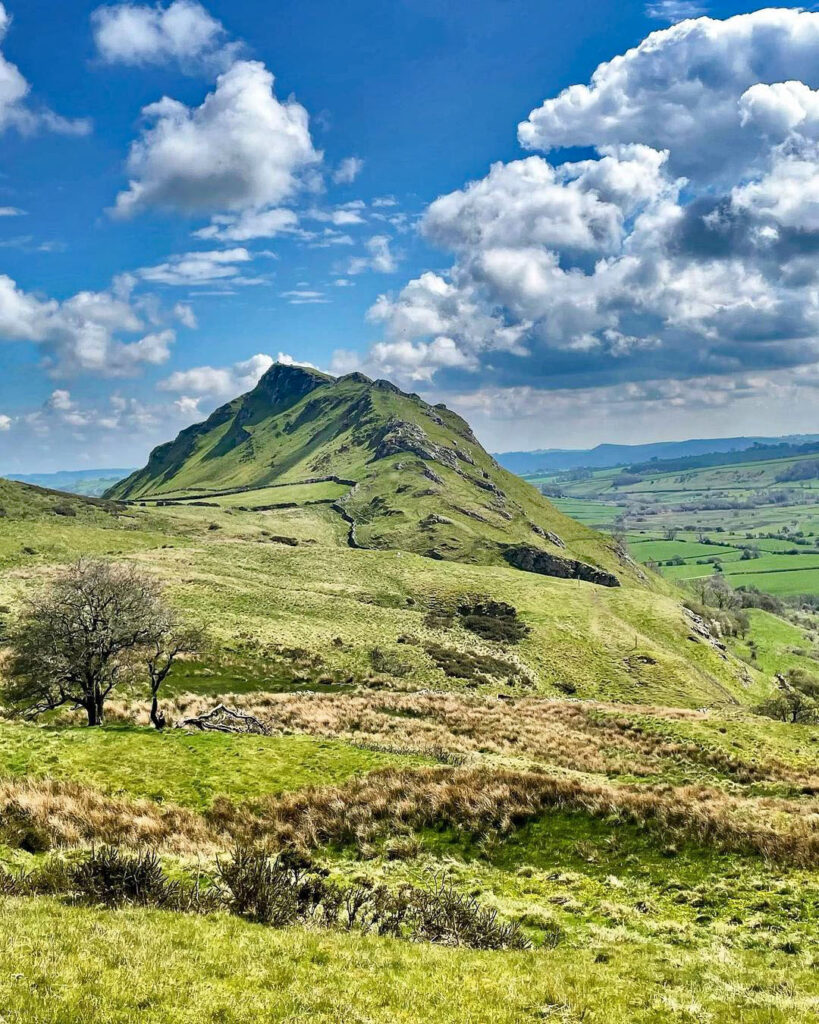
60% is ‘Good’ and hills scoring 60-70 points will only achieve Worthy status if they are relatively isolated and therefore less comparable with the major ranges. So far, the lowest score for any hill achieving this is Crook Peak/Wavering Down at 64. However, there is nothing of this quality within a wide circumference and this makes it very attractive!
70% equates to ‘Very Good’, 80% to ‘Excellent’ and 90% to ‘Exceptional’.
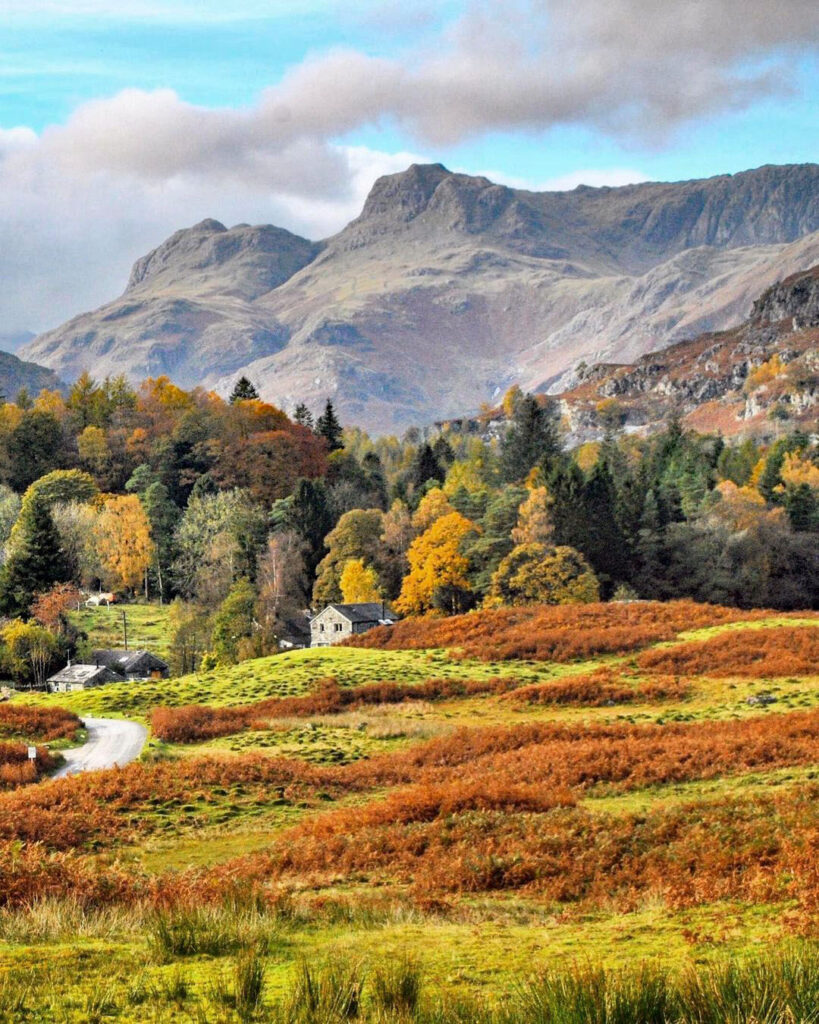
A final and important decision is that I am regarding as a whole, ranges of hills where they are closely grouped by adjoining ridges, regardless of the number of individually named summits. I can understand Wainwright choosing his 214 hills in the Lake District, however, for our purposes some tops are subsumed by their parent hills. In such cases I intend to either group a number of summits under the parent hill or its distinct massif. The Langdale Pikes are one clear example. Skiddaw is another, which will include the Ullock Pike ridge, as after all, Skiddaw is best climbed along its crest anyway. I am happy to court the controversy!
Fundamentally, choosing Worthies cannot merely be accomplished by science alone. You may rightly regard the numbers as no more than a parlour game. Despite the attempt to introduce objective subjectivity, the individual aura of each hill will undeniably influence every choice – does it feel special? There are so many unquantifiable factors that create the spiritual atmosphere of an ascent.